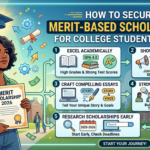

Building a strong scholarship profile from scratch may feel overwhelming, especially if you’re starting with limited achievements or guidance. But the reality is simple: scholarships are not only for toppers or extraordinary students—they are for those who show potential, consistency, and purpose. Whether you’re in school, college, or taking a gap year, you can still create a compelling profile that stands out.
This guide will walk you step-by-step on how to build a scholarship-ready profile, even if you’re starting from zero.
1. Start with Academic Excellence (But Be Smart About It)
Academics are the foundation of most scholarship applications. You don’t need perfect marks, but you do need consistent and improving performance.
- Focus on understanding concepts, not just memorizing
- Set realistic grade goals and track your progress
- Highlight improvement over time (scholarships value growth)
- Participate in academic competitions or quizzes
Tip: If your grades are average, balance them with strong extracurriculars and skills.
2. Identify Your Interests and Strengths
Scholarship committees prefer students who have a clear direction rather than those trying everything randomly.
Ask yourself:
- What subjects do I enjoy?
- What activities excite me?
- What problems do I want to solve in the future?
Once you identify your interests:
- Choose 1–2 areas to focus on (e.g., healthcare, technology, social work)
- Start building achievements in that direction
3. Build Strong Extracurricular Activities
Extracurriculars are often the deciding factor in scholarship selection.
You don’t need expensive activities—start with what’s available:
- Join school or college clubs
- Volunteer in local communities
- Participate in online competitions
- Take part in debates, sports, or cultural events
Quality > Quantity:
Instead of doing 10 random activities, focus deeply on 2–3 and show impact.
4. Develop Leadership Skills
Leadership is one of the most valuable qualities scholarship providers look for.
Ways to show leadership:
- Become a class representative or team leader
- Start a small initiative (e.g., study group, awareness campaign)
- Organize events or workshops
- Mentor juniors
Even small leadership roles count if you show responsibility and results.
5. Gain Volunteer and Social Impact Experience
Many scholarships prefer candidates who contribute to society.
Ideas to get started:
- Teach underprivileged children
- Participate in NGO activities
- Organize donation drives
- Work on environmental projects
Important: Focus on impact, not just participation.
Example: Instead of saying “volunteered,” say “helped 30 students improve basic reading skills.”
6. Learn New Skills (Especially In-Demand Ones)
Skills can make your profile unique and practical.
Top skills to consider:
- Communication and public speaking
- Writing and content creation
- Basic coding or digital tools
- Research and analytical skills
You can learn these through:
- Free online courses
- YouTube tutorials
- Practice projects
7. Build a Strong Personal Story
Scholarships are not just about achievements—they are about your story.
Your story should answer:
- Where did you start?
- What challenges did you face?
- What are your goals?
- How will the scholarship help you?
Make it:
- Honest
- Clear
- Purpose-driven
Avoid copying others—authenticity matters more than perfection.
8. Prepare Key Documents Early
A strong scholarship profile includes well-prepared documents:
- Resume/CV (1–2 pages)
- Statement of Purpose (SOP)
- Letters of Recommendation (LOR)
- Academic transcripts
- Certificates
Pro Tips:
- Keep your resume updated regularly
- Customize SOP for each scholarship
- Build good relationships with teachers for strong recommendations
9. Participate in Competitions and Certifications
Achievements add credibility to your profile.
Try to:
- Enter essay competitions
- Join Olympiads or quizzes
- Complete certification courses
- Take part in hackathons or innovation challenges
Even small wins or participation certificates matter when starting out.
10. Maintain Consistency and Discipline
Building a strong profile is not a one-day task.
- Set monthly goals
- Track your activities and achievements
- Keep improving gradually
- Avoid last-minute preparation
Consistency always beats sudden effort.
11. Use Online Platforms to Showcase Yourself
Create a digital presence:
- LinkedIn profile
- Portfolio website (optional)
- Share your work, achievements, and projects
This helps scholarship committees verify your efforts and see your dedication.
12. Research Scholarships Early
Don’t wait until the last moment.
- Look for scholarships in your field and country
- Check eligibility criteria carefully
- Note deadlines and requirements
- Apply to multiple scholarships
Tip: Keep a spreadsheet to track applications.
13. Write Powerful Scholarship Essays
Your essay can make or break your application.
Focus on:
- Clear structure (Introduction → Body → Conclusion)
- Real-life examples
- Specific goals
- Strong closing statement
Avoid:
- Generic answers
- Copy-paste content
- Overuse of complex language
14. Prepare for Interviews (If required)
Some scholarships include interviews.
Common questions:
- Why do you deserve this scholarship?
- What are your future goals?
- Tell us about your achievements
Practice:
- Mock interviews
- Speaking clearly and confidently
- Giving structured answers
15. Avoid Common Mistakes
- Applying without reading criteria
- Submitting incomplete applications
- Ignoring deadlines
- Writing weak or copied essays
- Lack of clarity in goals
Conclusion
Building a strong scholarship profile from scratch is absolutely possible with the right strategy and mindset. You don’t need extraordinary resources—you need clarity, consistency, and commitment.
Start small, focus on your strengths, and gradually build your achievements. Every activity, skill, and effort adds value to your profile. Remember, scholarship committees are not just looking for perfect students—they are looking for determined individuals with potential and purpose.
If you stay consistent and intentional, your profile will naturally become strong enough to stand out.
FAQs
1. Can I get a scholarship with average marks?
Yes, many scholarships consider extracurriculars, leadership, and personal story along with academics.
2. How early should I start building my scholarship profile?
Ideally, start at least 1–2 years before applying to build a strong and consistent profile.
3. Are extracurricular activities necessary for scholarships?
Yes, they are very important as they show your personality, skills, and interests beyond academics.
4. How many scholarships should I apply for?
Apply to multiple scholarships to increase your chances, but ensure each application is well-prepared.
5. Do online courses and certifications help?
Yes, they show your willingness to learn and develop skills, which adds value to your profile.