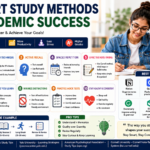

Success in college is not always about studying for longer hours. Many students spend countless hours reading textbooks or reviewing notes but still struggle to achieve the grades they want. The key to better academic performance is studying smarter, not harder.
Set Clear Academic Goals
A successful study routine starts with clear goals. Students should identify what they want to achieve in each semester, whether it is improving GPA, mastering a difficult subject, or preparing for competitive exams.
Setting goals provides direction and motivation. Instead of studying without purpose, students can focus on specific outcomes. Breaking large goals into smaller weekly targets makes progress easier to track and maintain.
Clear academic objectives also help students prioritize important tasks. This ensures that time and effort are spent on activities that directly contribute to success.
Create an Effective Study Plan
A study plan helps organize learning and prevents last-minute preparation. Students should create a weekly schedule that includes class hours, assignment deadlines, revision sessions, and breaks.
Consistency is important. Studying a little every day is more effective than cramming before exams. Daily revision improves memory and understanding. It also reduces anxiety during test periods.
An effective study plan should be realistic. Avoid scheduling long study sessions without breaks. Include short intervals to rest and recharge.
Use Active Learning Techniques
Passive reading is often less effective than active learning. Smart students engage with the material instead of simply memorizing it.
Methods like summarizing notes, teaching concepts to others, solving practice problems, and discussing topics in study groups improve understanding. These techniques help the brain process and retain information more effectively.
Active learning also makes studying more interesting. It turns academic work into an interactive process, improving focus and reducing boredom.
Master Time Management Skills
Time management is one of the most important skills for academic success. College students often struggle because they underestimate the time required for assignments and revision.
Using planners or digital calendars helps track deadlines. Setting priorities ensures urgent tasks are completed first. This prevents last-minute stress and missed submissions.
Time management also means avoiding distractions. Social media, excessive phone use, and multitasking can reduce productivity. Staying focused during study hours improves efficiency.
Focus on Understanding, Not Memorization
Memorizing information may work temporarily, but understanding concepts leads to long-term success. College exams often test critical thinking and application rather than simple recall.
Students should ask questions, connect topics to real-life examples, and understand the logic behind concepts. This deeper approach improves problem-solving skills and exam performance.
Understanding also makes revision easier. Concepts learned properly require less repeated study before tests.
Take Effective Notes
Good notes are valuable study tools. Students should develop note-taking methods that suit their learning style.
Writing key points during lectures, using diagrams, and organizing information with headings improves review efficiency. Digital notes can also be useful for easy access and editing.
Review notes regularly. Rewriting or summarizing them after class helps reinforce learning and identify gaps in understanding.
Practice Regular Revision
Revision is essential for retaining information. Many students only revise before exams, which creates stress and weak memory retention.
A better approach is regular review. Revisiting topics weekly strengthens understanding and keeps information fresh. This makes final exam preparation much easier.
Use flashcards, quizzes, and self-testing to make revision active. These methods are proven to improve recall.
Maintain a Healthy Routine
Physical and mental health directly affect academic performance. Poor sleep, unhealthy eating, and stress can reduce concentration.
Students should aim for adequate sleep, balanced meals, and regular exercise. A healthy body supports better memory, focus, and energy levels.
Taking care of mental health is equally important. Breaks, hobbies, and social interaction help reduce academic pressure.
Use Technology Wisely
Technology can be both helpful and distracting. Students can use educational apps, online courses, and productivity tools to enhance learning.
Apps for note-taking, scheduling, and focus can improve efficiency. Online tutorials also help explain difficult subjects.
However, excessive use of entertainment apps can waste time. Learning to control digital distractions is essential.
Learn from Mistakes
Mistakes are part of the learning process. Instead of being discouraged by low grades, students should analyze what went wrong.
Reviewing mistakes helps identify weak areas and improve future performance. Feedback from professors and peers can also provide valuable insights.
A growth mindset encourages continuous improvement. Every challenge becomes an opportunity to learn and develop.
Source
https://sl1nk.com/wy5br0d
https://sl1nk.com/p9esmdy
Conclusion
Studying smarter is about using effective strategies rather than spending endless hours with books. College students can improve grades by setting goals, planning their schedule, practicing active learning, and focusing on understanding concepts.
Success comes from consistency. Small habits like regular revision, healthy routines, and good time management create significant academic improvements over time. By adopting smarter study methods, students can achieve better results while maintaining a balanced and enjoyable college experience.
FAQs
1. What is the best study method for college students?
The best method combines active learning, regular revision, and effective time management.
2. How many hours should a college student study daily?
Most students benefit from 2–4 focused hours outside class, depending on their course and workload.
3. How can students improve concentration while studying?
Studying in a quiet environment, limiting phone use, and taking regular breaks can improve focus.
4. Is group study effective for college students?
Yes, group study can improve understanding through discussion and collaboration when used effectively.
5. How can students score better in exams?
Students can score better by understanding concepts, revising regularly, practicing questions, and managing time efficiently.